

Reckless Lessons from Quentin Tarantino: Ignore Naysayers & Just Create What You Want
Sage wisdom from one of the greatest living directors

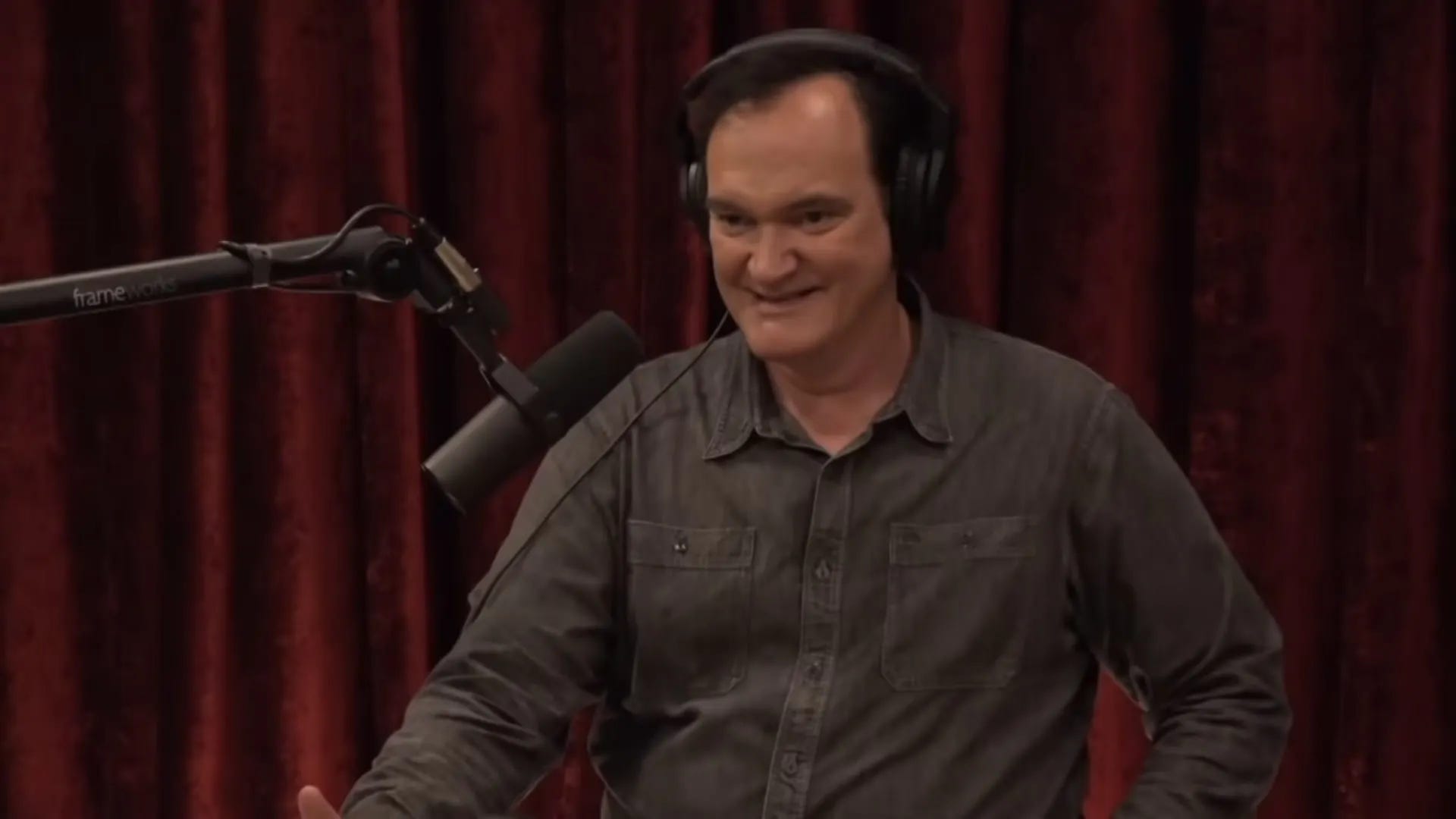
During Quentin Tarantino’s appearance on the Joe Rogan Experience, the discussion turned to the topic of the types of movies that couldn’t be made today. It’s part of a wider debate about the rise of Cancel Culture in recent years and its attack on artists and creators who’ve released works — including films, books, songs, jokes, and more — that run afoul of the hyper-progressive sensibilities of an incredibly loud few.
Of course, this ravenous pack of screeching Pop Culture Hall Monitors isn’t happy unless they’re upset about something utterly harmless to anyone with even a shred of emotional resilience, so they turn works of the past at which to direct their bitchy ire. Authors, comedians, writers, and other influential figures of the past have come under fire for creating things that don’t sit so comfortably in today’s unforgiving milieu.
It’s something that concerns Rogan, who’s experienced plenty of controversy himself for largely innocuous crimes, so it’s something that comes up frequently on his show. Below is an excerpt from his exchange with Tarantino on the subject:
Joe Rogan: …I don’t even know you could do Superbad today, and that’s not even that long ago.
Quentin Tarantino: Well, I don’t believe in that kind of statement…I think that statement is a kind of self-fulfilling prophecy; if you say it’s gonna be a problem, it’s gonna be a problem…Because it comes with the idea that, “well, I don’t know if they would let you do that.” Well, who the fuck is “they”?
Tarantino has faced plenty of backlash for his films throughout his career, largely due to the large amount of violence portrayed in them, so he’s got some insight into facing the Uptight Brigade head-on.
However, Tarantino’s view has a blind spot; Rogan correctly points out that it is Quentin Tarantino — an A-list Hollywood director — saying this, implying that he’s too big to be canceled, regardless of how much controversy his movies cause.
Tarantino cedes to this argument, acknowledging that things are different now than they were in the 1980s and early 1990s, stating that there’s an element of McCarthyism in today’s culture that previous filmmakers didn’t have to put up with.
Still, Tarantino holds his ground on the notion that refusing to give in to external calls to not make something is what helped him — and other reckless filmmakers — build a successful career.
“Who are ‘they’ to tell me what I can and can’t do?…I never let ‘they’ stop me. I did what I wanted to do, and by doing what I wanted to do, we changed the ’90s. The 90s stopped being politically correct.”
This is an important story that every artist, regardless of genre or medium, should heed, so let’s dive deeper into it and pull out some actionable lessons from it:
1. Tell the mob to suck a dick.
Adopt a cavalier attitude about your work, and don’t hesitate to stick your middle finger up at the mob. Throughout your career as a creator, you’re going to have to put up with a bunch of critics and uptight zealots who will try to shame you into obedience. Being a smirking bastard will not only piss off doubters and Hall Monitors, it’ll also render them mostly harmless to you. When they realize that their self-righteous words don’t affect you, they’ll scurry off to find a new target for their bitchy fury.
2. Pave the way for subsequent artists to create freely.
When the mob comes after you, demanding that you refrain from releasing your work or apologize for doing so, stick to your guns and do exactly what you originally set out to do. By doing so, you’ll set a precedent, proving that an army of zealots and critics isn’t enough to keep a good artist down. You’ll send a signal to the other creators out there that they, too, can withstand the passion of a horde that thinks it knows better than everyone else.
3. Crash through the controversy — and become a legend.
There’s a line from the film, Moneyball, that comes to mind: “I know you’ve taken it in the teeth out there, but the first guy through the wall — he always gets bloody. Always.” You’ll probably take some hits by unleashing a bold new work on an unsuspecting audience, especially if your work violates the mores du jour in some way. But that’s the cost of growing into the sort of figure that future generations look back with admiration and reverence.
Tarantino’s first film, Reservoir Dogs, attracted a fair amount of backlash for its violence. But by refusing to castrate it, he gave us a bloody masterpiece that made it easier for other filmmakers to push the boundaries.
Looking at Tarantino’s body of work and the accolades he’s won, do you really think he regrets ignoring the naysayers?
Reckless Retrospectives: Anthrax vs. MTV

Welcome to the first installment of “Reckless Retrospectives,” a series that looks at some of the most rebellious artists of the past, the moments that defined them, and what artists of today can learn from them.
Love this !